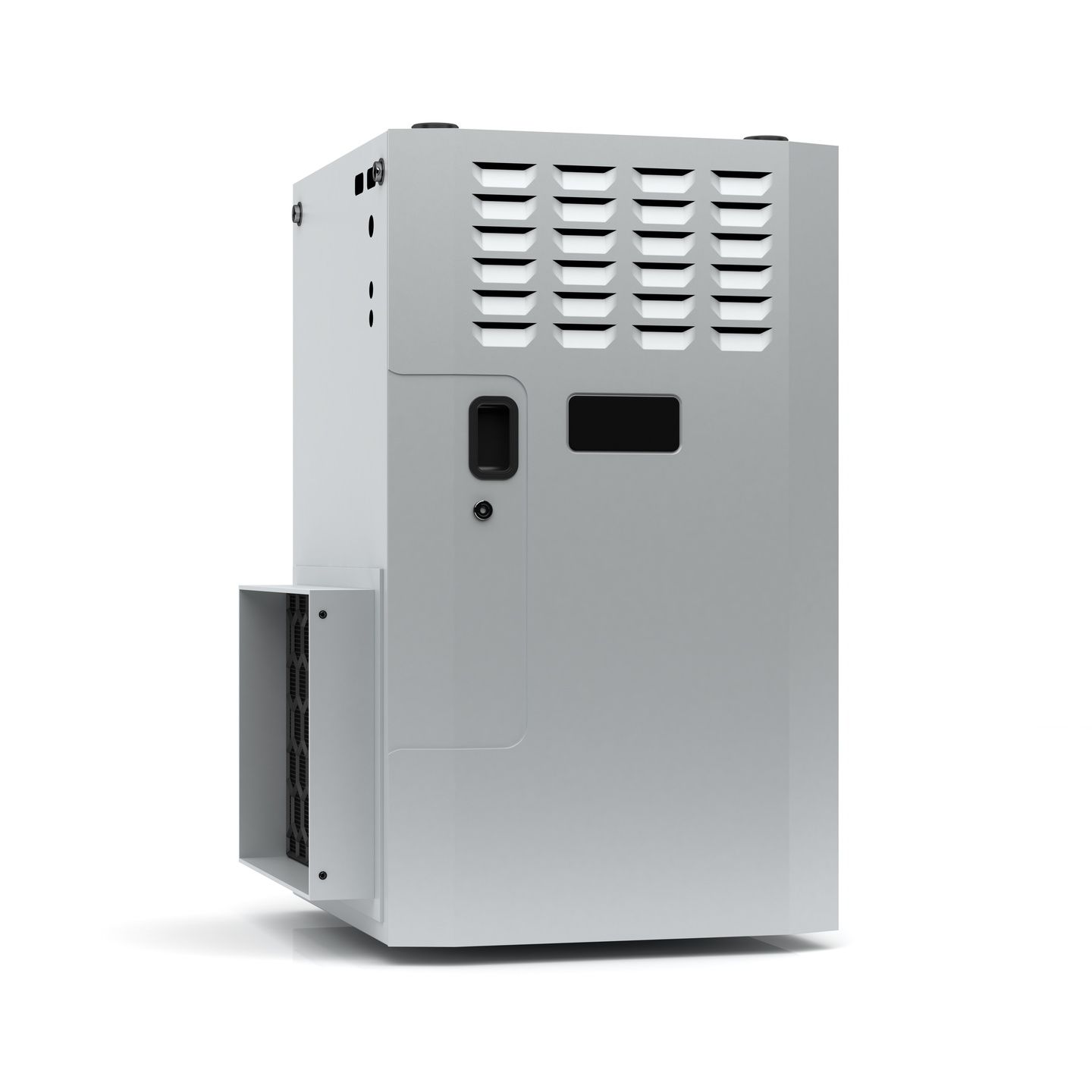
Your home’s furnace is one of the most critical systems for keeping your family warm during the colder months. However, like any appliance, it won’t last forever. If your furnace has been acting up, you may be wondering whether a repair will solve the issue or if it’s time to invest in a replacement. While repairs can sometimes extend a furnace’s lifespan, there are situations where replacing the unit is the smarter choice.
Here are the key signs that indicate it’s time for furnace replacement in Houston.
Your Furnace Is More Than 15-20 Years Old
The average lifespan of a furnace installation is about 15-20 years. While well-maintained units may last longer, older systems tend to lose efficiency and require frequent repairs. If your furnace is approaching or exceeding this age range, replacing it with a newer professional HVAC installation can be a great way to lower repair costs over time and give you peace of mind.
Your Energy Bills Are Increasing
Have you noticed a steady rise in your heating bills? As furnaces age, they become less efficient and need to work harder to produce the same level of warmth. If your energy bills are significantly higher than in previous years—despite regular maintenance—your furnace may be wasting energy. Upgrading to a modern, high-efficiency furnace can lead to substantial savings on heating costs.
Frequent and Costly Repairs
If your furnace is breaking down frequently, requiring multiple repairs in a short time, replacement might be the better long-term solution. A good rule of thumb is the 50% rule—if the cost of repairs is more than 50% of the price of a new furnace, it’s wiser to invest in a replacement. Spending money on an old system that will continue to have issues is often not worth the hassle.
Your Furnace Can’t Keep Up With Heating Needs
Are some rooms in your home too cold while others are too hot? Do you constantly adjust the thermostat to stay comfortable? If your furnace struggles to maintain consistent temperatures, it may be losing its ability to distribute heat properly. Upgrading to a new system ensures better performance and even heating throughout your home.
Strange Noises or Odors
Unusual noises such as banging, rattling, or screeching could indicate failing components inside the furnace. While some minor issues can be repaired, persistent or loud noises often suggest that the system is nearing the end of its life. Additionally, if you smell burning, musty, or gas-like odors from your furnace, it could be a serious safety concern that warrants immediate replacement.
Excessive Dust and Poor Air Quality
Older furnaces may struggle with filtering dust, allergens, and pollutants from the air. If you’ve noticed an increase in dust buildup, dry air, or allergy symptoms, your furnace may no longer be functioning efficiently. Newer models offer advanced air filtration and humidification features, improving indoor air quality.
Your Home Still Uses an Outdated Pilot Light System
If your furnace has a standing pilot light (a small flame that stays on constantly), it’s a sign that the system is outdated. Modern furnaces use electronic ignition, which is much more efficient and reliable. Upgrading to a new HVAC installation eliminates the need for an inefficient pilot light and reduces energy waste.
Frequently Asked Questions
Question: How do you know when it is time to replace your furnace?
Answer: Common signs include frequent repairs, rising heating bills, uneven temperatures, unusual noises, and a furnace that struggles to keep your home comfortable. If the system is also approaching 15 to 20 years old, replacement may be more practical than continuing to repair it.
Question: How long does a furnace usually last?
Answer: Most furnaces have an average lifespan of about 15 to 20 years, although proper maintenance can sometimes help them last longer. As a furnace gets older, it may become less efficient and require more frequent or expensive repairs.
Question: Is it better to repair or replace an old furnace?
Answer: Repair may make sense when the problem is minor and the furnace is still relatively reliable and efficient. Replacement can be the better long-term choice when repairs become frequent or when the repair cost approaches 50% of the price of a new furnace.
Question: Can an old furnace cause higher energy bills?
Answer: Yes, older furnaces often lose efficiency and may need to run longer to produce the same amount of heat. If your heating bills keep increasing despite regular maintenance, upgrading to a more efficient system could help reduce energy use.
Question: What furnace problems can indicate it needs replacement?
Answer: Persistent banging, rattling, screeching, unusual odors, uneven heating, and repeated breakdowns can all indicate that a furnace is nearing the end of its useful life. These issues are especially concerning when they occur in an older system that already requires frequent repairs.
Don’t wait until your furnace fails completely—take proactive steps now to ensure your home stays warm and efficient for years to come by investing early in furnace replacement options. Contact Cool Care Heating and Air Conditioning to achieve the best care for your air!